


Chemistry at Manchester
Our CAMERA YouTube channel aims to demystify our recent achievements; here we talk about the world's smallest fuel powered motor, which has been invented in Manchester.
Latest news
Read more news
Research

Themes
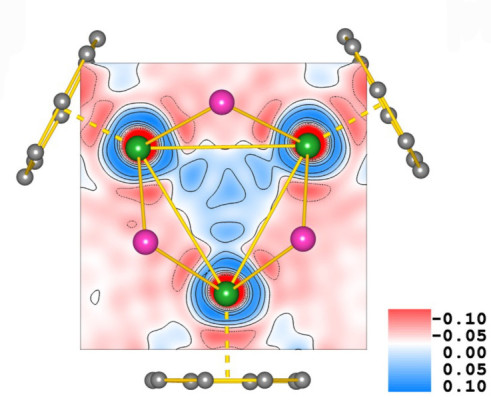
Our research themes reflect the interdisciplinary nature of modern chemistry research.
Centres and institutes
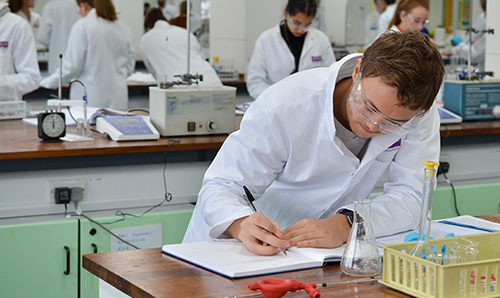
The work of our academic staff is integral to a number of University research centres and institutes.

Impact
Our research focuses on tackling the great challenges we face in society, and we're making a real impact.
About
People
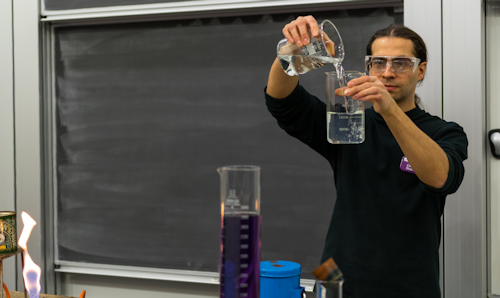
Explore the list of staff who help to make this one of the best places to study chemistry in the UK.
History and heritage
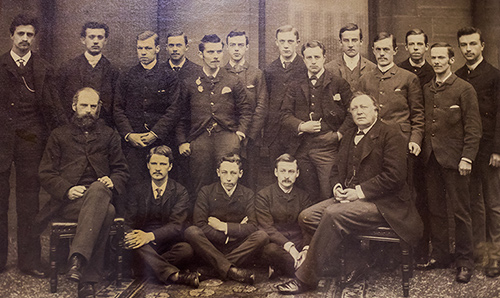
Manchester has a long and distinguished chemistry history, harking all the way back to 1803.
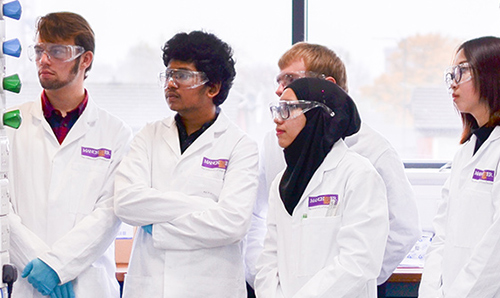
Why Chemistry at Manchester
Join a Department where John Dalton's atomic theory gave birth to the subject in its modern form.
Connect
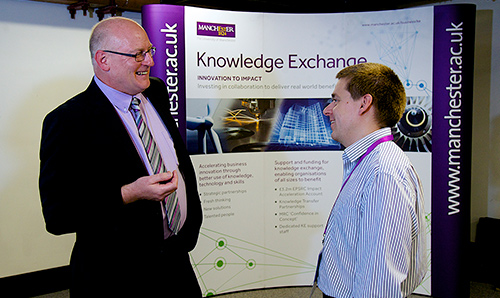
Business engagement
We can work with your business through research collaboration, consultancy, training and more.
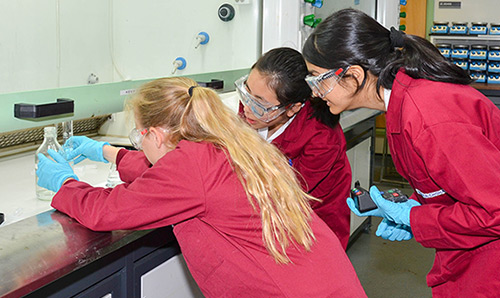
Schools and colleges
We work with local schools to engage the brightest young people with the challenges of chemistry.
Social responsibility
As a leading chemistry department we make it our duty to carry socially responsible values.